Huawei Mate 9 Review

You can now read:
Introduction
For a certain group of smartphone users, bigger means better, and they're going to want the largest, most feature-packed handsets they can get – while still small enough to fit in their pockets. And though manufacturers have been eager to deliver big-screen phone after big-screen phone, right now that market's in a bit of an upset after the spectacular crashing and burning (pun intended) of the Samsung Galaxy Note 7.

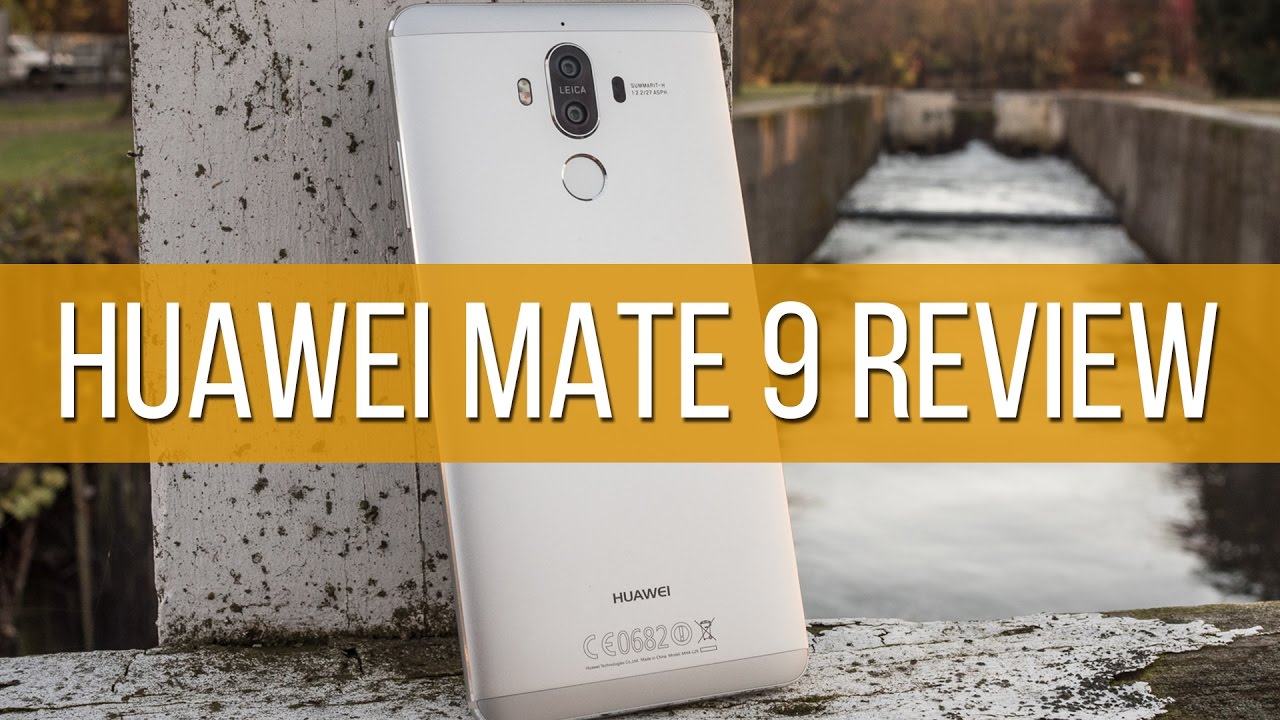
Huawei may have just the phone for you, with the launch of the 5.9-inch Mate 9. It manages to squeeze in a screen that big without being ridiculously oversized itself, and runs some of the latest silicon to hit the mobile market. Should this one be on your short list of phablets to consider? Let's take a look, but do note that Huawei's Mate 9 is to be available across a number of European and Asian markets only. There has been word that the company might eventually bring it to the US, but we wouldn't hurry to get our hopes up.

- Huawei Mate 9
- Earbuds
- Case
- USB Type-C cable
- SuperCharge adapter
- USB Type-C to micro adapter
- SIM tool
- Quick-start guide
Design
Huawei shows us that a big screen doesn't necessarily demand a giant phone

The way a phone is built is an important enough issue for smaller handsets, but when we're talking about those on the upper echelon of the phablet bracket, that consideration's all the more critical; how do you give users a big-screen phone experience that's still compact and practical enough to be carried around as a daily driver?
The handset's a wee bit smaller than last year's Mate 8, measuring in at 156.9mm tall, 78.9mm wide, and 7.9mm deep. All those measurements are within a millimeter or two of the iPhone 7 Plus (158.2 x 77.9 x 7.3mm), yet the display on the Mate 9 has a 15% greater surface area. Unlike Apple's phone, though, Huawei finds space for an analog headphone jack up top.
The body itself has a bit of a curve to it around the edges, though bevels mark the transition to the back and front. The result isn't quite as pleasing to hold as the Pixel XL or iPhone 7 Plus, but it does manage to look quite nice – and maybe more importantly, thin.

6.18 x 3.11 x 0.31 inches
156.9 x 78.9 x 7.9 mm
6.70 oz (190 g)

6.19 x 3.17 x 0.31 inches
157.1 x 80.6 x 7.9 mm
6.53 oz (185 g)

6.23 x 3.07 x 0.29 inches
158.2 x 77.9 x 7.3 mm
6.63 oz (188 g)

5.94 x 2.86 x 0.3 inches
150.9 x 72.6 x 7.7 mm
5.54 oz (157 g)

6.18 x 3.11 x 0.31 inches
156.9 x 78.9 x 7.9 mm
6.70 oz (190 g)

6.19 x 3.17 x 0.31 inches
157.1 x 80.6 x 7.9 mm
6.53 oz (185 g)

6.23 x 3.07 x 0.29 inches
158.2 x 77.9 x 7.3 mm
6.63 oz (188 g)

5.94 x 2.86 x 0.3 inches
150.9 x 72.6 x 7.7 mm
5.54 oz (157 g)
Compare these and other phones using our Size Comparison tool.
Display
Big and bright is a winning combination, though the lack of quad HD is curious

The Huawei Mate 9 is rocking a 5.9-inch screen, making it among the biggest of the mainstream phablets out there. While that's a step down from the Mate 8's 6-inch display, it's still larger than you're going to find from a lot of Huawei's competition.
But while it's big and bright, we still have a couple issues with the Mate 9's screen. Maybe the most significant problem is that it's not particularly high-res, at 1080 x 1920. A full-HD panel like that looks great on a five-incher, and is acceptable on a 5.5-inch model, but as we're brushing up against the six-inch mark, we really start to crave quad HD – and both the smaller LG V20 and Google Pixel XL do indeed offer such a resolution.
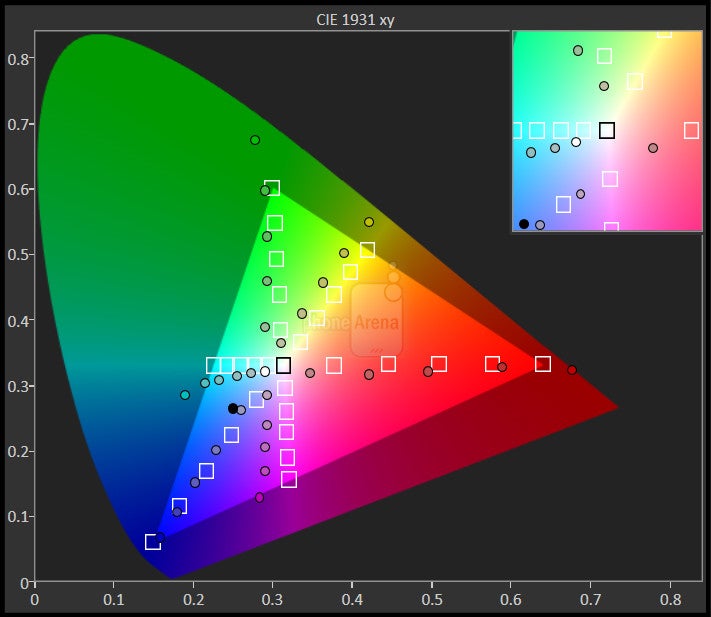
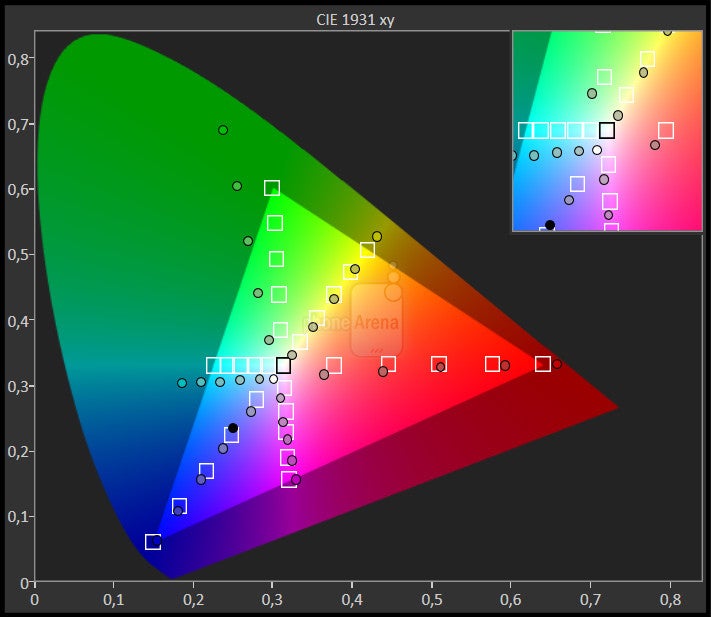
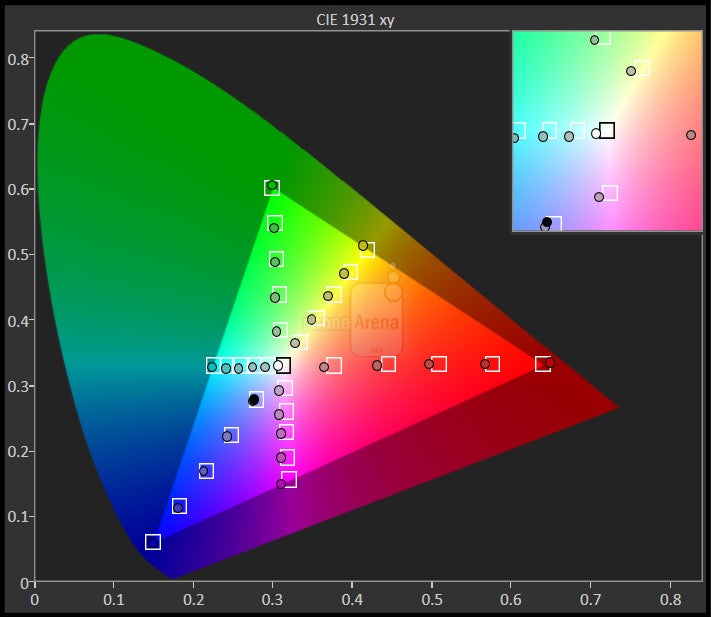
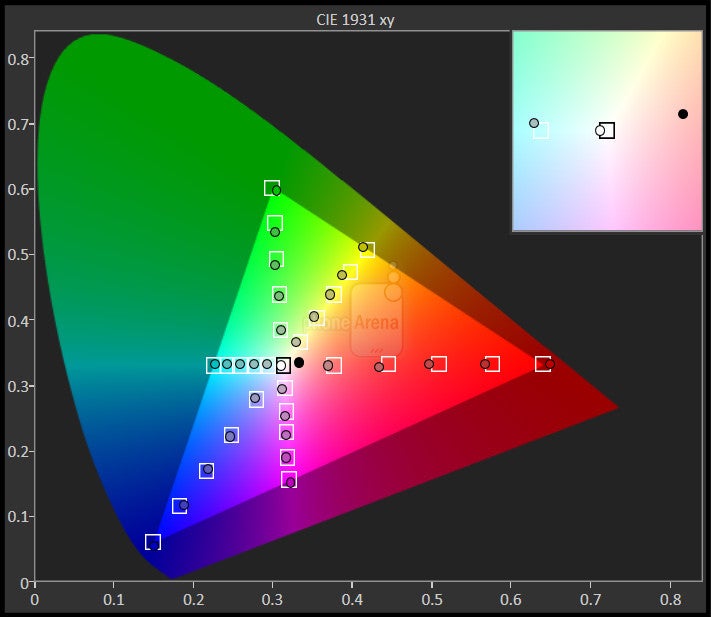
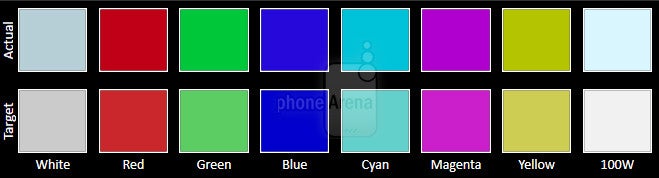
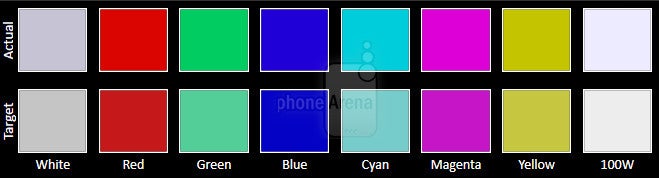
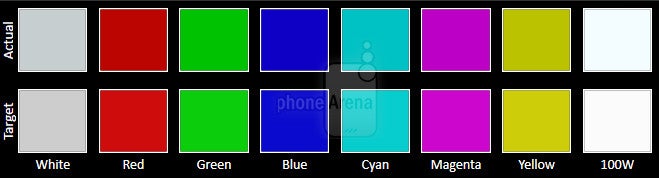
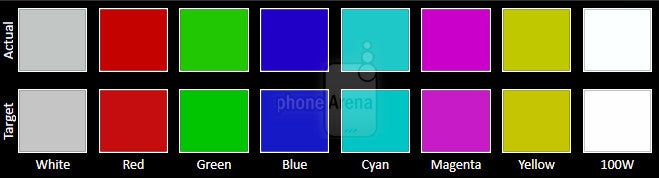
The Mate 9's screen also suffers from some color accuracy issues, with the sort of over-saturation we normally expect from AMOLED panels. The good news is that EMIU 5.0 allows you to adjust the display's color temperature and tweak its output to your liking. It would just be nicer if it were a little more accurate right out of the box.




Interface and Functionality
Why can't all OEM skins feel as polished as EMUI?

The arrival of Android 7.0 Nougat means that Huawei's got to come up with a new version of its custom UI, and we see that debut on the Mate 9 in the form of EMIU (or the Emotion UI) 5.0. The company places a big emphasis on clean design and enhancing productivity, and at this it's largely successful.
But there are still plenty of EMUI capabilities that you can check out on day one, from its ability to “twin” an app and support login from multiple accounts at once, to the way it allows you to use the phone's fingerprint scanner (which we should mention is exceptionally fast and accurate) as a touchpad for gesture controls.
Processor and Memory
Huawei's in-house effort gives more mainstream chips a run for their money

While Qualcomm's Snapdragon processors continue to power the majority of flagship smartphones (and a good chunk of even lower-tier models), the competition's not dead yet, and in addition to manufacturers like Apple and Samsung delivering handsets running in-house chips, Huawei's playing the same game with the HiSilicon Kirin processors in its own phones. The Mate 9's an especially noteworthy phone in this regard, as it introduces us to the very latest Kirin chip, the Kirin 960.
Huawei makes the smart call of giving the Mate 9 a full 64GB of internal storage – which we'd love to see become the standard on more smartphones, especially phablets that are just asking to serve as our mobile media hubs. And when paired with the phone's support for microSD expansion, you've got the potential to be looking at more storage than you'll know what to do with.
Connectivity
Next-gen speed and broad carrier support are the highlights of this travel-friendly handset

The Mate 9's well equipped for wireless connectivity, supporting 20 LTE bands and 10 3G bands. And with compatibility for LTE Cat 12, the phone theoretically has the capacity to pull down data at 600Mbps – though you're almost guaranteed to see far less in actual usage.
If you're still carrying a phone with micro USB, you're missing out, because USB Type-C becomes more and more of joy to use as time goes on (and we accumulate more and more compatible hardware). There's nothing particularly special about what the Mate 9 is doing with it, but we're still happy to see it here, all the same.
Camera
With dual sensors and Leica branding, the Mate 9 has a lot to prove

If the Mate 9 has one stand-out feature – at least according to what Huawei would tell us – it's the dual rear camera. This setup represents the second generation of Huawei's partnership with Leica, and the hardware pairs one extra-high-res 20MP black-and-white camera with a 12MP color camera, both with optical stabilization. The idea is sound enough: combine the data from those two cameras and you have a system that should excel at low-light performance and capture tons of image detail without sacrificing standard full-color operation.
Camera UI
Image quality
There's clearly tons of promise in the Mate 9's Leica-branded camera system, but how are the actual results? Well, they're alright, but we found ourselves expecting a bit more after all of Huawei's hype.
Images tend to be a little light-looking, often with overexposed highlights, and with colors not particularly saturated. Indoor or low-light performance is by no means impressive, with a desaturated, low-detail look.
And while that may not necessarily sound too impressive, it's to the Mate 9's credit that its imagery mostly appears natural – like the camera's not trying to over-process the scene and squeeze out every last bit of color – a description we'd readily assign to the Google Pixel and its auto-HDR+ magic. Sometimes things look bolder and brighter in our mind's eye, and while at times we like cameras that see the world in the same way, pictures from the Mate 9 feel much more true to life.
The phone's software offers a fun assortment of shooting modes, with some working better than others. The black-and-white mode is a nice way to show off the Mate 9's 20MP monochrome camera, and the HDR mode helps with complicated exposures. It's just a shame that the HDR option isn't the same sort of persistent on-screen control as things like the camera's flash, and that you can't combine modes as a result: no B&W and HDR together, which could have looked really great.
Huawei Mate 9 sample images
Video recording
The Mate 9 supports video recording in resolutions up to 4K, as well as 60fps 1080p and various lower-res modes. Of these, 4K easily lookx the best, but we ran into some issues when exporting the footage to a PC, with our computer stumbling a bit during playback, as if the Mate 9's video stream was having problems with its compression. Lower-res modes played back better, but a lack of digital stabilization really hurts.
Huawei's given the Mate 9 an array of four microphones to do a bit of directional-audio action when recording sound along with video, helping to emphasize the subject. That's a fine idea, but there's no toggle for this option, so if you're trying to narrate a video you're not starring in yourself (as we did with our video samples), audio capture is really inconsistent; it's almost like you can hear the phone trying to isolate and remove your voice.
Huawei Mate 9 Sample Videos
Multimedia
Really pleasing stereo sound comes as a welcome surprise

A big-screen phablet's in a great position to be a powerful media-playback machine, and the Mate 9 doesn't let us down. Its speakers, while a little light on bass response, still sound pretty good, and are nice and loud, to boot.
Like Apple's iPhone 7 models, the Mate 9 outputs sound simultaneously from its bottom-edge main speaker, as well as the phone's earpiece, for a stereo effect. Here, the earpiece audio isn't nearly as loud as the primary speaker, but it's still enough to broaden the aural landscape and make the Mate 9's audio output that much richer.
The included earbuds form a serviceable accessory that really does sound alright, but probably isn't going to replace your favorite pair – and thanks to the presence of an analog headphone jack, you can go right on using whichever you choose.
Call Quality
Phablets may be great for productivity, but they're still less than ideal for voice calls

With its dual-SIM support and broad band coverage, the Mate 9's well equipped to get you through a few voice calls – should you still insist on communicating in such an archaic fashion. The good news is that everything sounds fine, just like we'd expect from a phone of this caliber.
The only real downside is that it still feels a bit unwieldy to be using a handset this size to make calls. The experience may be alright as you navigate through apps at arm's length, but feeling this huge expanse of phone pressed up against your face isn't necessarily the user experience we dream of. Users used to phablets may not share the same concern, but if you're coming from a smaller phone, expect a period of adjustment.
Battery Life
With 4,000mAh of power at its disposal, the Mate 9 can easily handle a day's worth of usage

Anytime we're looking at phablets, there's the chance for really crazy battery life; big phones afford manufacturers more room to fit in big batteries. Sure, sometimes that extra capacity is squandered, but we tend to go in with high hopes. Would the big screen on the Mate 9 end up negating the phone's 4,000mAh battery (not unlike what we saw with the Pixel XL)?
Good news: it doesn't. In our custom constant-brightness screen-on battery test, the Mate 9 lasted for over twelve hours of continuous operation; this is very much a phone that will push through a full day on a charge. Now sure, with the phone's super-bright screen, there's the potential to cut into that figure if you crank screen brightness as high as it will go, but with more conservative usage, we doubt you'll run into any problems.
Recharge times are also decent, taking about two-and-a-half hours to hit 100% with the included fast charger. That may sound like a long time, but considering the battery size we're working with, it's not half bad. Look at it this way: the Mate 9 takes roughly as long to recharge as the iPhone 7, a phone with a battery less than half the capacity of the Mate 9's.
Conclusion

The system software is a lot of fun to use, and Huawei really goes out of its way to add significant value beyond what Android 7.0 Nougat already delivers. All the features and customizable options can seem like a little much for new users to take in, but everything's arranged smartly and presented in a clean manner that makes discovery and use pretty fun.
Really, there's not a lot the Mate 9 does wrong, and our biggest issues with the handset are areas where we just wish it offered a little more. Take the new dual-camera system, for instance: it's mostly fine, but when you hear the Leica name, and learn about the combination of monochrome and color sensors, you expect it to all come together with jaw-dropping results – and those just aren't here.
The standard Mate 9, with 4GB of RAM and 64GB storage, sells in Europe, Asia, and the Middle East for about 700 euros; that's 200 euros less than the 32GB iPhone 7 Plus. In that light, the Mate 9 represents a decent value. But it's also really easy to get hung up on things like the lower pixel density screen than a lot of its competition, and feel that you really should be paying less for the Mate 9.
Ultimately, you're going to choose the Mate 9 because you want a big-screen smartphone above all else, and this phone offers that without making too many other sacrifices. It's not necessarily the best phablet around, but it's certainly one of the more compelling options you'll find.
You can now read:

Follow us on Google News




Things that are NOT allowed:
To help keep our community safe and free from spam, we apply temporary limits to newly created accounts: