Create your personalized VR experience: Google’s Vibe Coding XR is unreal
With Google's new Vibe Coding XR framework, you can literally bring your dreams to reality in high-definition VR.
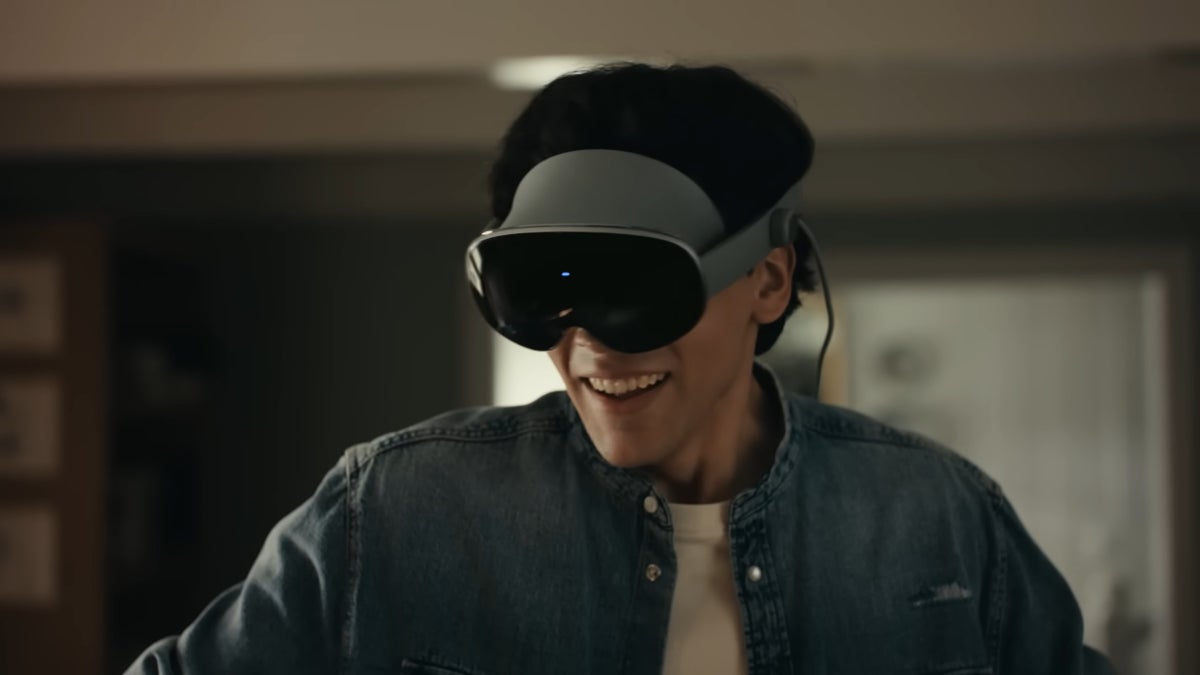
Vibe Coding XR will be phenomenal on the Galaxy XR headset. | Image by Samsung
Google unveiled Android XR in 2024 in preparation for Samsung’s rival headset to the Apple Vision Pro, the Galaxy XR. The company has now announced something very exciting for its XR (Extended Reality) operating system: a framework — named Vibe Coding XR — that lets you create your own personalized VR experiences using natural descriptive prompts.
Google unveiled Vibe Coding XR very recently, though the company will show it off properly at its booth at the upcoming ACM CHI 2026 event in April. However, you can use it right now, as the framework has been made available to users.
How it works is very simple. Vibe coding is the practice of using a modern AI model to program an app or other piece of software. It doesn’t require much, if any, knowledge about programming. You simply describe what you want made and the AI gets to work. It is worth noting, however, that vibe coding also involves a lot of revisions to get everything working perfectly.
Vibe Coding XR is just that: vibe coding for XR applications. You tell Gemini to use the XR Blocks framework and make you your very own VR app.
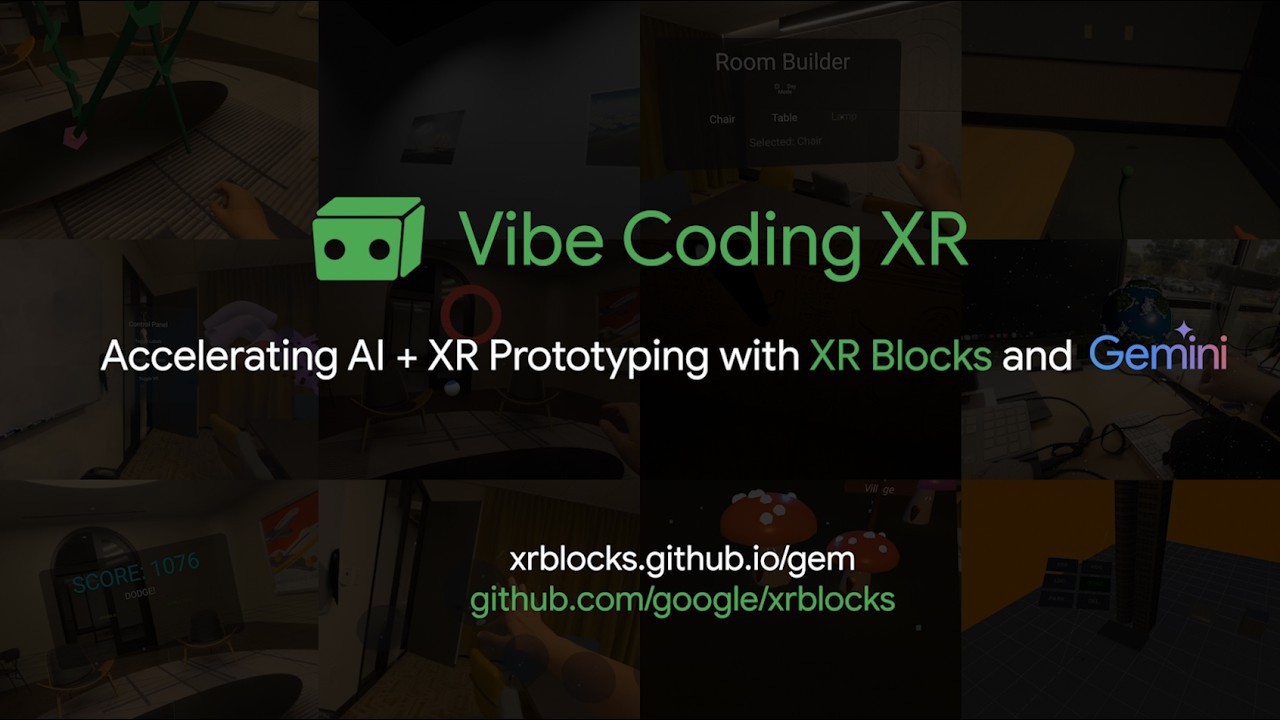
Vibe Coding XR is usable even if you don’t own a VR headset of your own. Google is letting you run your vibe-coded XR apps in a simulated environment on the desktop version of Chrome.
This is mostly intended for you to quickly check on an iteration of your app, though. If you intend to wow people away by sharing your creation, you should probably test it out on a headset of your own first.
I know that modern AI models get a very bad reputation in most online circles, but I, personally, find them fascinating. Vibe Coding XR is just one example of why.
Creating a VR app of some sort is no easy feat. Don’t get me wrong, Vibe Coding XR won’t let you bash out the next Half-Life: Alyx, but being able to create an experience of your choosing in a minute or two is just mind-blowing.
From Google’s trailer, it’s clear that the XR apps that you can currently make will be quite simple, both visually and conceptually. But give it a year or two and I won’t be surprised if some vibe-coded VR game becomes the next global sensation.
Vibe Coding XR, an almost unreal achievement
Google unveiled Vibe Coding XR very recently, though the company will show it off properly at its booth at the upcoming ACM CHI 2026 event in April. However, you can use it right now, as the framework has been made available to users.
Do you think such tools will attract more people towards XR?
You can use it without a headset
The possibilities that Vibe Coding XR presents are almost limitless. | Video by Google
Vibe Coding XR is usable even if you don’t own a VR headset of your own. Google is letting you run your vibe-coded XR apps in a simulated environment on the desktop version of Chrome.
This is mostly intended for you to quickly check on an iteration of your app, though. If you intend to wow people away by sharing your creation, you should probably test it out on a headset of your own first.
AI continues to blow my mind
I know that modern AI models get a very bad reputation in most online circles, but I, personally, find them fascinating. Vibe Coding XR is just one example of why.
From Google’s trailer, it’s clear that the XR apps that you can currently make will be quite simple, both visually and conceptually. But give it a year or two and I won’t be surprised if some vibe-coded VR game becomes the next global sensation.

Follow us on Google News





Things that are NOT allowed:
To help keep our community safe and free from spam, we apply temporary limits to newly created accounts: