Ever wonder why your iPhone, Pixel, or Galaxy still barely limps to bedtime while phones from brands like Honor and OnePlus cruise through two full days on a single charge? It comes down to one thing: silicon-carbon batteries. A new report that includes interviews with engineers from both companies just laid out their facts, and they paint a pretty unflattering picture for Apple, Google, and Samsung.
Recommended For You
Silicon-carbon batteries are here
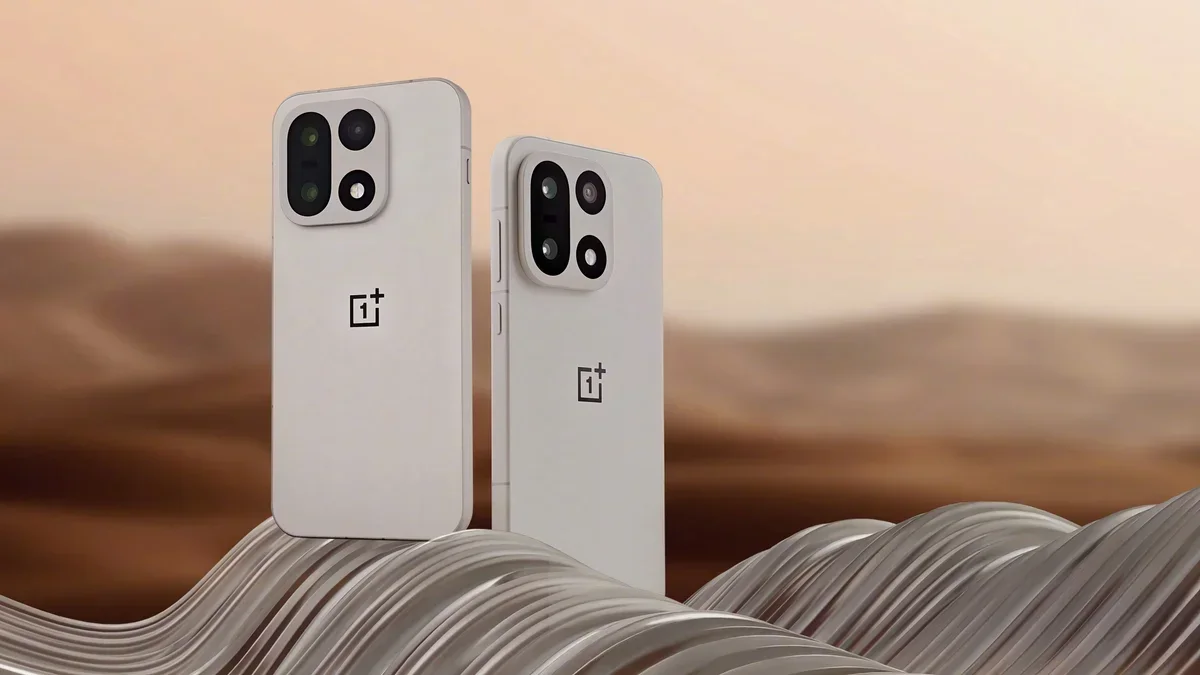
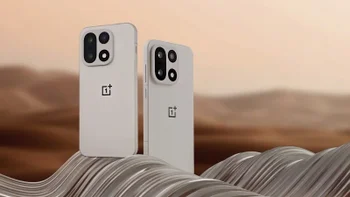
OnePlus 15. | Image by PhoneArena
Silicon-carbon (Si-C) batteries swap out part of the traditional graphite inside a battery for silicon, which can hold way more energy in the same physical space. That's how companies like Honor and OnePlus are fitting 6,000 to 7,300 mAh cells into phones that are just as slim as your Galaxy S26 Ultra or iPhone Air.
Honor has been doing this since 2023, when the Magic5 Pro became the first phone to ship with Si-C battery tech. The company is now on its fifth generation, hitting up to 32% silicon content in partnership with battery maker ATL.
Honor says it runs puncture resistance tests, extreme stress evaluations, structural deformation checks, and high-temperature stability assessments that exceed standard international certifications.
OnePlus says it puts its Si-C cells through over 70 unique tests and guarantees the OnePlus 15's battery will keep over 80% of its health after four years.
These are specific engineering claims from companies that have shipped millions of these phones already.
So, who's right?
Why Apple, Samsung, and Google keep stalling
The answer is probably the one we're all thinking of: money and risk.
Si-C batteries cost 20% to 40% more to produce than standard lithium-ion cells, and they need entirely different production lines. Samsung, Apple, and Google have poured billions into their existing battery setups, and tearing all of that up is a serious financial hit.
Samsung also carries the shadow of the Galaxy Note 7 disaster from 2016, which understandably makes the company extra cautious with new battery chemistry. But there's a difference between caution and falling years behind while still charging flagship prices.
What matters most to you when it comes to your phone's battery?
This battery gap is only getting wider
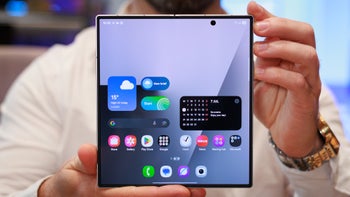
Consider this: Honor's ultra-thin Magic V6 foldable squeezes a 7,150 mAh Si-C battery into a body just 8.75 mm thick when folded. Samsung's Galaxy Z Fold 7? It ships with a 4,400 mAh traditional cell. Not even close.
I haven't personally used a Si-C battery phone long enough to vouch for its longevity myself, but plenty of people who have say the difference in battery life is night and day.
Two-day battery life isn't a marketing promise anymore. It's happening right now, just not on phones from the companies most of us buy from. The big three can keep insisting the tech isn't ready, but the phones already out there tell a very different story.
Johanna 'Jojo the Techie' is a skilled mobile technology expert with over 15 years of hands-on experience, specializing in the Google ecosystem and Pixel devices. Known for her user-friendly approach, she leverages her vast tech support background to provide accessible and insightful coverage on latest technology trends. As a recognized thought leader and former member of #TeamPixel, Johanna ensures she stays at the forefront of Google services and products, making her a reliable source for all things Pixel and ChromeOS.
A discussion is a place, where people can voice their opinion, no matter if it
is positive, neutral or negative. However, when posting, one must stay true to the topic, and not just share some
random thoughts, which are not directly related to the matter.
Things that are NOT allowed:
Off-topic talk - you must stick to the subject of discussion
Offensive, hate speech - if you want to say something, say it politely
Spam/Advertisements - these posts are deleted
Multiple accounts - one person can have only one account
Impersonations and offensive nicknames - these accounts get banned
To help keep our community safe and free from spam, we apply temporary limits to newly created accounts:
New accounts created within the last 24 hours may experience restrictions on how frequently they can
post or comment.
These limits are in place as a precaution and will automatically lift.
Moderation is done by humans. We try to be as objective as possible and moderate with zero bias. If you think a
post should be moderated - please, report it.
Have a question about the rules or why you have been moderated/limited/banned? Please,
contact us.










Things that are NOT allowed:
To help keep our community safe and free from spam, we apply temporary limits to newly created accounts: