I used to think more cameras meant better photos, but the iPhone 17e proved me wrong
This article may contain personal views and opinion from the author.
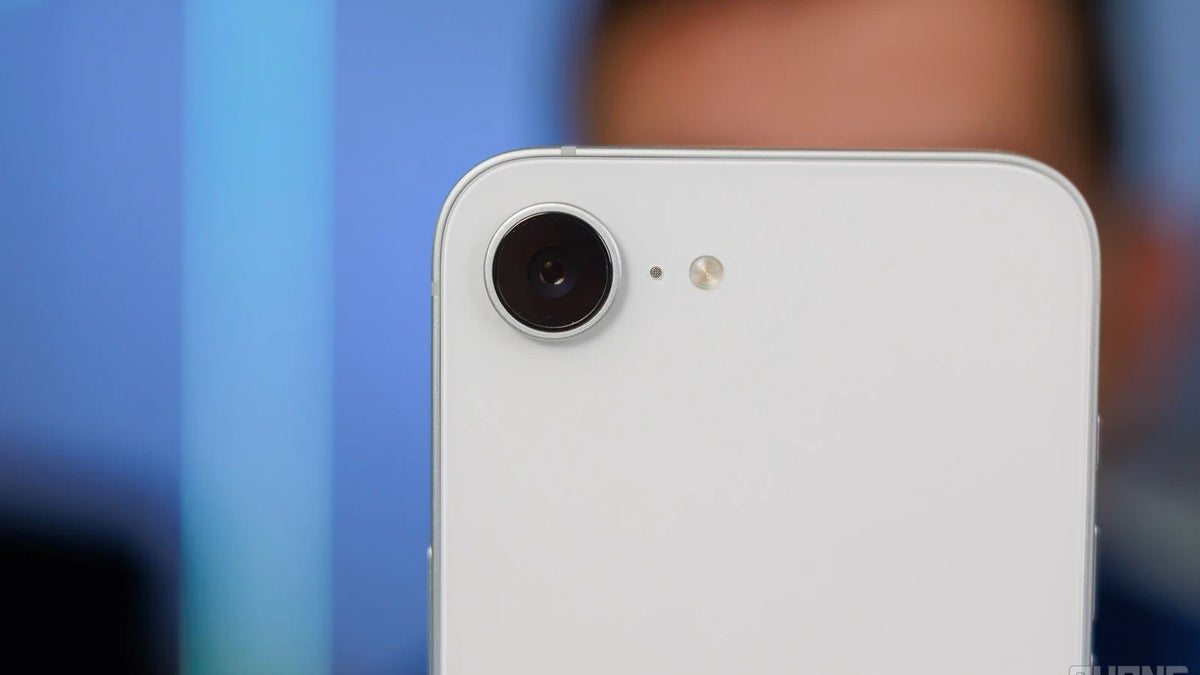
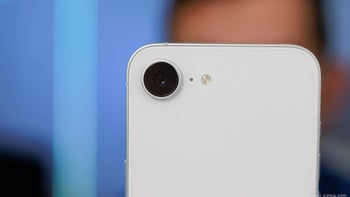
One good tool is better than multiple bad ones. | Image by PhoneArena
Smartphone manufacturers have convinced us that having more cameras equals a better camera experience, but that's not exactly true.
Not so long ago, even camera systems on flagship phones didn’t offer the same level of image quality across all their lenses. That has changed in recent years, with high-end devices now delivering strong results no matter which camera you use.
At the mid-range level, however, things still work differently. One camera done right is better than three cameras done poorly, but only if the limitations are clear and honest. The problem isn’t having a single camera. The problem is pretending you have more than you actually do.
Now, I know Apple gets a lot of hate for adding only a single camera on its budget “e” series, but is that really a problem when that one camera punches above its weight? The iPhone 17e is a perfect example of the point I’m trying to make.
The 17e’s entire camera experience revolves around a single 48 MP main sensor. That doesn’t sound particularly impressive, especially considering it is a smaller sensor than the iPhone 17’s.
But when you actually try it out, it holds its ground surprisingly well.
The photos are sharp and detailed, the colors are vibrant without looking artificial, and the exposure is reliable. And in that sense, it succeeds. One strong camera you can rely on is more valuable than multiple weaker ones you end up avoiding. You don’t have to think about it. You just point, shoot, and get something usable 9 times out of 10.
It is exactly that level of consistency that most phones in this price segment ($600) still struggle with. Devices like the Pixel 10a, Galaxy S25 FE, or Nothing Phone (4a) Pro offer multiple cameras on paper, but not all of them deliver the same level of quality. Ultrawide and zoom cameras are often noticeably worse, especially in low light or video, and end up being used far less than you’d expect. At that point, they start to feel less like useful tools and more like visual extras meant to make the phone look more capable than it actually is.


If I’m disappointed in one thing about the iPhone 17e’s camera system, it’s the selfie camera. Apple stuck with the older 12MP unit instead of bringing over the newer sensor used in the rest of the iPhone 17 series.
In good lighting, it gets the job done, but it’s starting to show its age. Detail isn’t as crisp, dynamic range is more limited, and it lacks some of the flexibility you get on newer selfie cameras. Considering that phones at this price are often used heavily for selfies and video calls, this feels like a missed opportunity and one of the more noticeable cutbacks.
This is also where Apple contradicts its own strength. More specifically, when it tries to convince us that one camera can function as two, or even more.
The 2X crop mode on the 17e can sometimes result in usable images, but it will never have true “optical quality” like a real telephoto camera would, despite how much Apple says that term.
Of course, anything beyond 2X, like 5X or 10X, is digital zoom. At that point the image falls apart quickly and is no longer usable.
While the iPhone 17e did not come with new camera hardware this year, it did get an improved Portrait mode.
Portrait mode now works not just for people but for pets too, and more importantly, it works after the fact. You can take a regular photo and turn it into a portrait later, adjusting focus and background blur whenever you want.
Considering the target audience for the 17e, that's a big upgrade. This is a phone for people who take photos of friends, family, and yes, pets. The fact that it now recognizes those subjects reliably makes the camera feel smarter and expands its use cases.
Of course, it’s not perfect 100% of the time. Edge detection can still struggle with complex details like hair or fur, and the results don’t look as natural as on iPhones with multiple cameras that can provide more depth data, but it works well enough to be a genuine feature and not a gimmick.
As a user, I will always value intentional hardware that delivers real results over hardware added purely to inflate perceived value and drive sales.
The iPhone 17e isn’t trying to be a camera phone for enthusiasts. It’s built for people who want something simple, predictable, and consistently good.
And in that sense, it succeeds. One strong camera you can rely on is ultimately more useful than multiple weaker ones you can’t.
Not so long ago, even camera systems on flagship phones didn’t offer the same level of image quality across all their lenses. That has changed in recent years, with high-end devices now delivering strong results no matter which camera you use.
One camera, but no weak links
The 17e’s entire camera experience revolves around a single 48 MP main sensor. That doesn’t sound particularly impressive, especially considering it is a smaller sensor than the iPhone 17’s.
But when you actually try it out, it holds its ground surprisingly well.
The photos are sharp and detailed, the colors are vibrant without looking artificial, and the exposure is reliable. And in that sense, it succeeds. One strong camera you can rely on is more valuable than multiple weaker ones you end up avoiding. You don’t have to think about it. You just point, shoot, and get something usable 9 times out of 10.
The one thing Apple should have improved but didn’t


If I’m disappointed in one thing about the iPhone 17e’s camera system, it’s the selfie camera. Apple stuck with the older 12MP unit instead of bringing over the newer sensor used in the rest of the iPhone 17 series.
In good lighting, it gets the job done, but it’s starting to show its age. Detail isn’t as crisp, dynamic range is more limited, and it lacks some of the flexibility you get on newer selfie cameras. Considering that phones at this price are often used heavily for selfies and video calls, this feels like a missed opportunity and one of the more noticeable cutbacks.
The illusion of versatility


This is also where Apple contradicts its own strength. More specifically, when it tries to convince us that one camera can function as two, or even more.
The 2X crop mode on the 17e can sometimes result in usable images, but it will never have true “optical quality” like a real telephoto camera would, despite how much Apple says that term.
Of course, anything beyond 2X, like 5X or 10X, is digital zoom. At that point the image falls apart quickly and is no longer usable.
Software can add a lot to the experience
While the iPhone 17e did not come with new camera hardware this year, it did get an improved Portrait mode.
Considering the target audience for the 17e, that's a big upgrade. This is a phone for people who take photos of friends, family, and yes, pets. The fact that it now recognizes those subjects reliably makes the camera feel smarter and expands its use cases.
Of course, it’s not perfect 100% of the time. Edge detection can still struggle with complex details like hair or fur, and the results don’t look as natural as on iPhones with multiple cameras that can provide more depth data, but it works well enough to be a genuine feature and not a gimmick.
My point
As a user, I will always value intentional hardware that delivers real results over hardware added purely to inflate perceived value and drive sales.
The iPhone 17e isn’t trying to be a camera phone for enthusiasts. It’s built for people who want something simple, predictable, and consistently good.

Follow us on Google News





Things that are NOT allowed:
To help keep our community safe and free from spam, we apply temporary limits to newly created accounts: