The wait is finally over, as the Vivo X300 Ultra is made official and it's just as spectacular as we expected it to be.
This flagship is shaping up to be one of the best camera phones not just for 2026, but for 2027 and even 2028, in my opinion. Sure, two years from now we'll have better camera systems, but the Vivo X300 Ultra will be taking thrilling photos nonetheless.
Right now, I'm making observations about the Vivo X300 Ultra based on specs. But given how well the Vivo X300 Pro performed (especially against the Galaxy S26 Ultra) in our own PhoneArena sample photo tests, I'd be – to put it mildly – extremely shocked if the Ultra turns out to be a hot mess.
Recommended For You
Some camera phones pack a quad-camera rear setup. Like Oppo's recent Find X Ultra models and Sammy's Galaxy S Ultra. But Vivo deliberately ditches that approach and sticks to the classic three-camera setup. The iPhone Pro does that, too, and the new Xiaomi Ultra also comes with "only" three cameras in the rear.
However, when your telephoto is mighty good, what's the point of a secondary zoom? And in the case of the Vivo X300 Ultra, this might be the case. Its one and only telephoto packs a large sensor, a large aperture and offers some impressive software tricks.
The camera setup
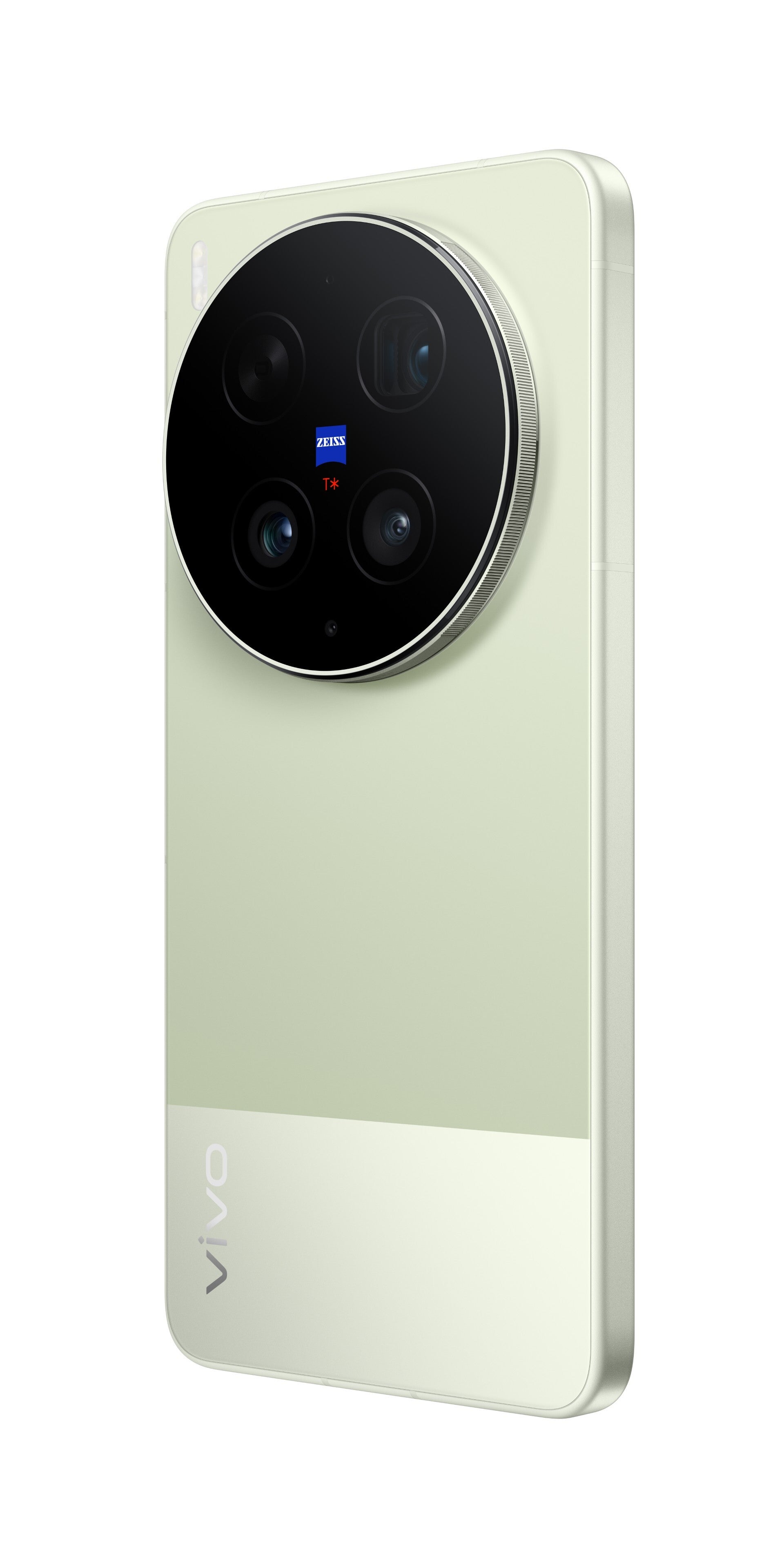
The phone is sleek, too. | Image by Vivo
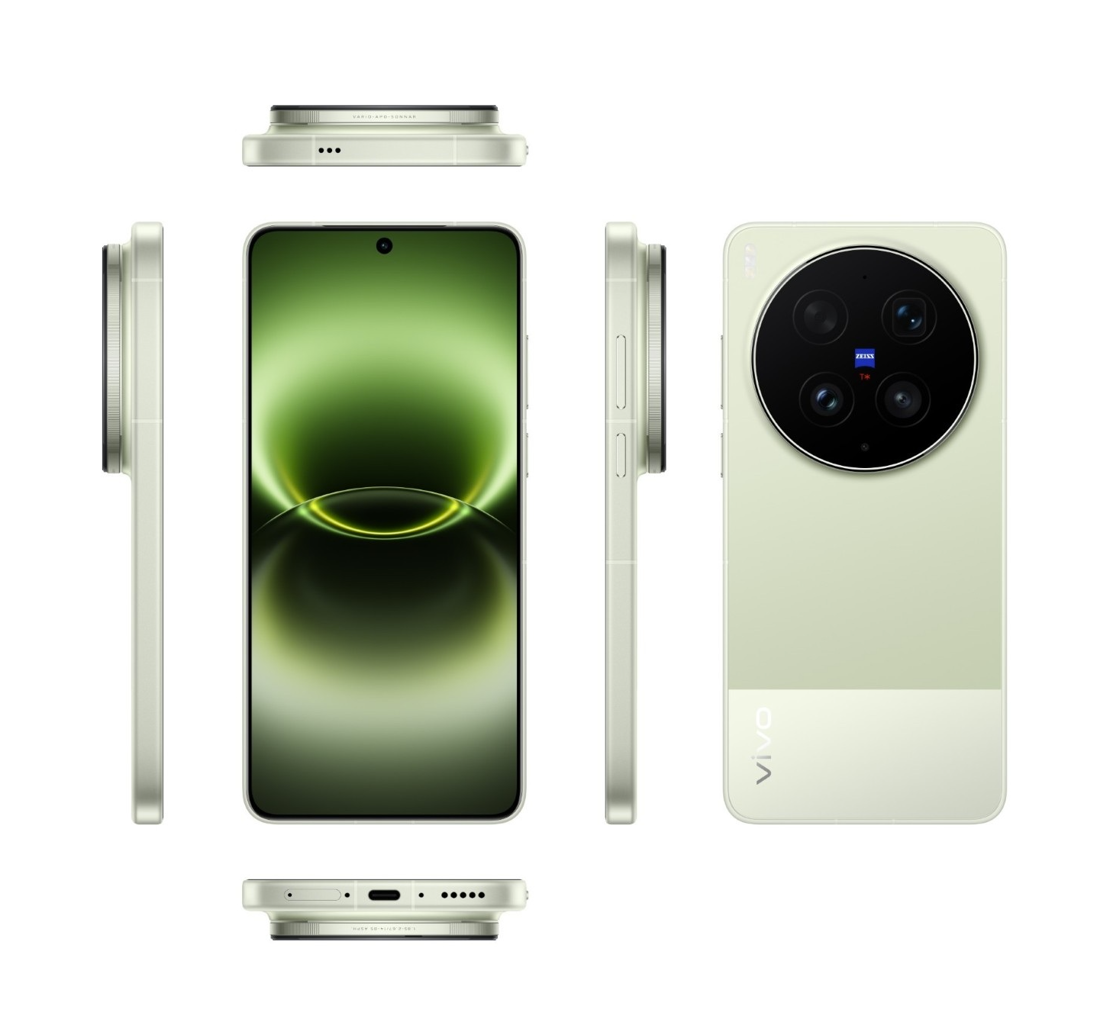
Starting off the bat (that's why you're here), there are three cameras on the back panel of the Vivo X300 Ultra:
All of the above are developed in close collaboration with the legendary Zeiss company and Vivo calls the setup "Zeiss Master Lenses Collection". The goal is to create a device that offers not only top-shelf hardware but also intuitive physical controls, solid optical stabilization and true-to-life colors and hues.
For example:
The ultra-wide camera comes with a high-level stabilization;
The main camera's lens has a 1G+6P coating technology, which is claimed to reduce reflectivity by over 20%;
The dedicated telephoto snapper comes with an even higher (CIPA 7.0) level of stabilization and an autofocus that achieves 60 updates per second;
It should be noted that the Vivo X300 Ultra is the first phone to pack the LYT-901 sensor. The next one is, allegedly, the Oppo Find X9 Ultra (expected in April).
Also, note that the main camera comes with a 35mm focal length instead of the usual ~23mm focal length in 99% of the rest of the phones. This means that you'll get a bit narrower field of view, but one that's super popular with street photographers.
The extra lenses raise an extra question
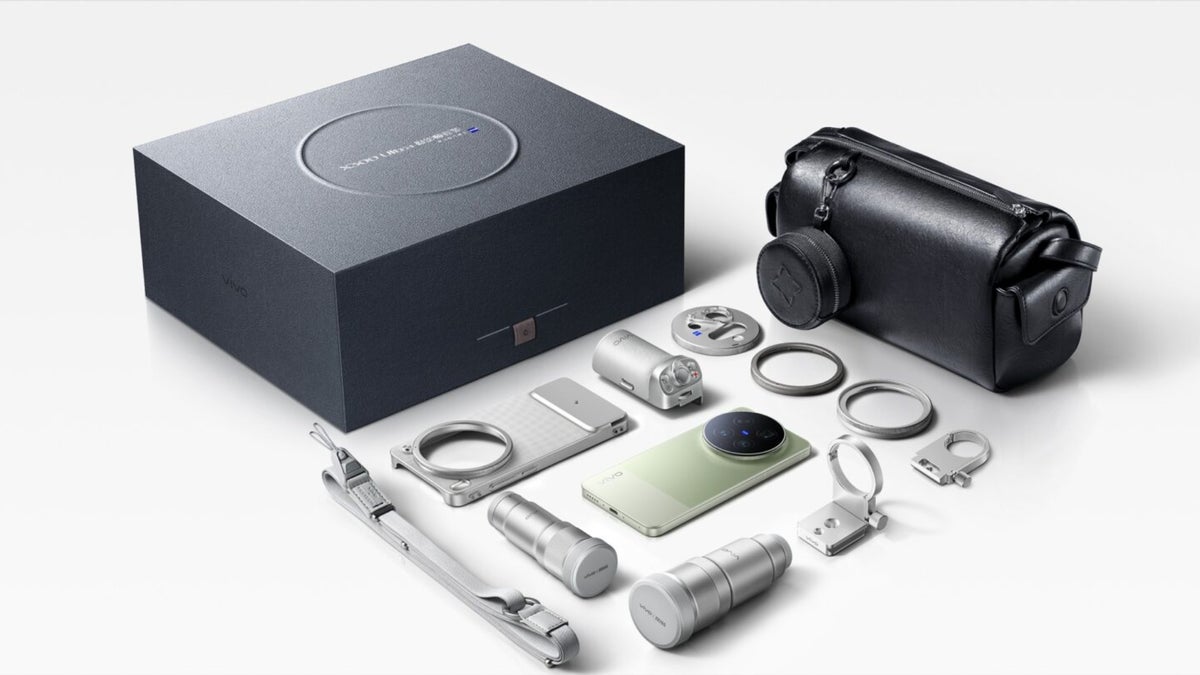
The 35mm main camera focal length is not the only thing that's special about this phone. Vivo offers those who are bitten by the camera bug an option to escalate things dramatically with two extra telephoto converters. Of course, there's a grip, too.
These are separate, cigar-like lenses that are attached to the phone via a special case that has a mount:
"Cannon 400" – Zeiss Telephoto Extender Gen 2 Ultra
"Lipstick 200" – Zeiss Telephoto Extender Gen 2
The "Cannon 400" – not to be confused with the Canon brand – delivers an advanced optical structure of 15 high-transmittance glass elements in two groups and enables 400 mm equivalent (17.4x optical direct output) of 200 MP.
The "Lipstick 200" is more compact and it brings along 200 mm of equivalent focal length (8.7x).
These figures, however, raise some questions. If the 8.7x tube is used on the main camera, wouldn't that equate to a ~300mm focal length, since 8.7 multiplied by 35 is 304.5mm? The same goes for the 17.4x tube.
I've contacted Vivo to ask for their explanation and I'll update this article once the official answer comes back to me.
Like I said above, most smartphones use a ~23mm main camera. If you multiply 23mm times 8.7, you get ~200mm. If you multiply 23mm times 17.4, you get ~400mm. So maybe Vivo applied the magnification factors of a standard 23mm sensor to a phone that actually offers a 35mm equivalent focal length.
What's the camera you're most excited about here?
Video capabilities
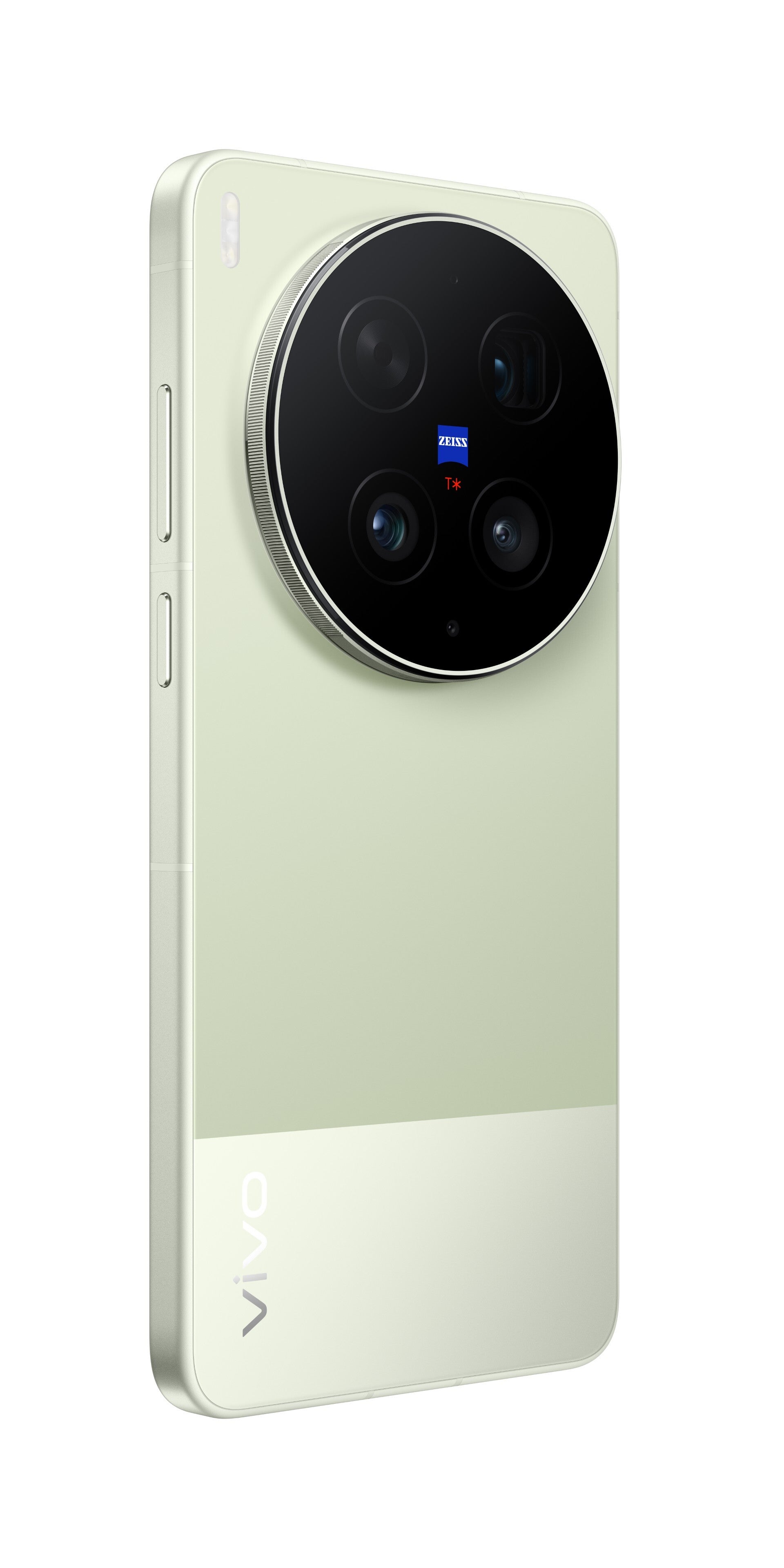
The new X300 Ultra in green. | Image by Vivo
The new X300 Ultra combines "gimbal-grade" OIS stabilization across all focal lengths with a 2K ZEISS Master Color Display for monitoring.
Users can utilize a professional Pro Video Mode that supports custom 3D LUT imports for real-time cinematic previews and quad-mic audio recording for high-quality sound.
For high-end post-production, the device captures 4K 120 fps 10-Bit Log video compatible with professional ACES workflows, ensuring seamless integration with cinema camera footage. Additionally, the inclusion of "Film Style" and "Film Look" presets allows users to generate atmospheric, broadcast-quality content with a single tap. Ultimately, these features position the X300 Ultra as a comprehensive "pocket cinema camera" that masters everything from raw capture to final color grading.
Color science
The X300 Ultra debuts a sophisticated Color Science system that aims to bridge the gap between mobile imaging and professional camera standards.
There's a 50MP sensor with 12 spectral channels, which the device uses to achieve pixel-level accuracy to reproduce colors as the human eye sees them. This technical precision is paired with "Refined Color" rendering and an Ultra XDR algorithm, which intelligently manages high dynamic range data to ensure smooth highlight transitions and vivid details. Finally, the new vivo Color Palette empowers users with a personalized color experience.
This is how Vivo presents its 2026 flagship, but, as always, we'll have to test it for ourselves. Stay tuned for the upcoming PhoneArena in-depth reviews and comparisons!
The rest of it is also impressive
True flagships specs! | Image by Vivo
The Vivo X300 Ultra packs the cutting-edge Android hardware beyond its camera:
Snapdragon 8 Elite Gen 5 chipset
6600 mAh capacity battery with 100W fast wired charging and 40W wireless charging speeds
OriginOS 6, based on Android 16, with five years of support
Either 12 or 16 GB of RAM and up to 1 TB of storage
6.82-inch 2K LTPO AMOLED display with a 144Hz refresh rate and 2160Hz PWM dimming
Three color options to choose from (Green, Silver and Black)
This device may be all about imaging, but it packs pure flagship parts and chips; you're not missing out on anything, really.
The only problem is what will the Vivo X400 Ultra have to do to up the ante next year? But that's a 2027 problem, let's not preoccupy ourselves with it right now.
Sebastian, a veteran of a tech writer with over 15 years of experience in media and marketing, blends his lifelong fascination with writing and technology to provide valuable insights into the realm of mobile devices. Embracing the evolution from PCs to smartphones, he harbors a special appreciation for the Google Pixel line due to their superior camera capabilities. Known for his engaging storytelling style, sprinkled with rich literary and film references, Sebastian critically explores the impact of technology on society, while also perpetually seeking out the next great tech deal, making him a distinct and relatable voice in the tech world.
A discussion is a place, where people can voice their opinion, no matter if it
is positive, neutral or negative. However, when posting, one must stay true to the topic, and not just share some
random thoughts, which are not directly related to the matter.
Things that are NOT allowed:
Off-topic talk - you must stick to the subject of discussion
Offensive, hate speech - if you want to say something, say it politely
Spam/Advertisements - these posts are deleted
Multiple accounts - one person can have only one account
Impersonations and offensive nicknames - these accounts get banned
To help keep our community safe and free from spam, we apply temporary limits to newly created accounts:
New accounts created within the last 24 hours may experience restrictions on how frequently they can
post or comment.
These limits are in place as a precaution and will automatically lift.
Moderation is done by humans. We try to be as objective as possible and moderate with zero bias. If you think a
post should be moderated - please, report it.
Have a question about the rules or why you have been moderated/limited/banned? Please,
contact us.










Things that are NOT allowed:
To help keep our community safe and free from spam, we apply temporary limits to newly created accounts: